Emergency Sandbag Delivery in Edmonton: Plan Fast
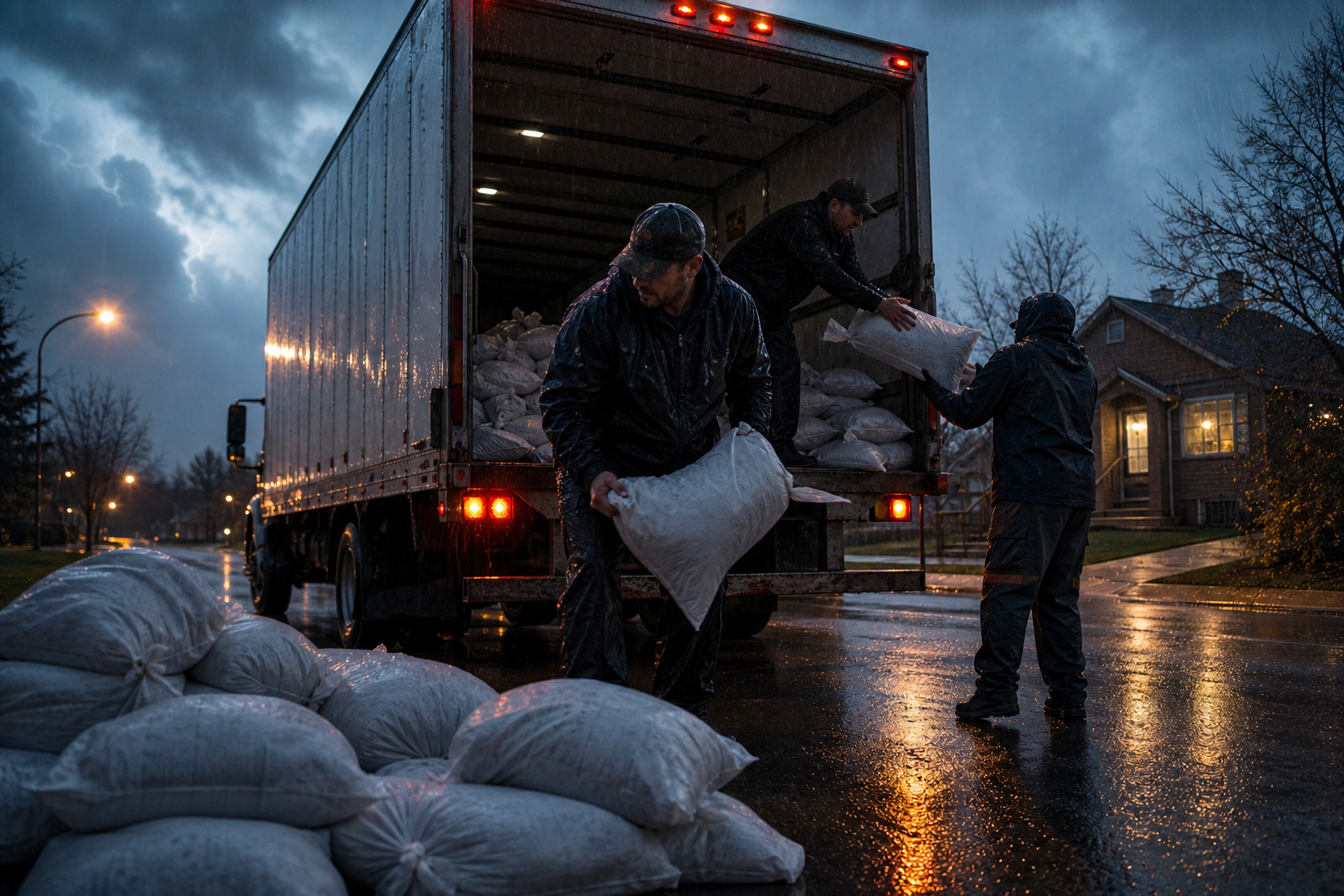
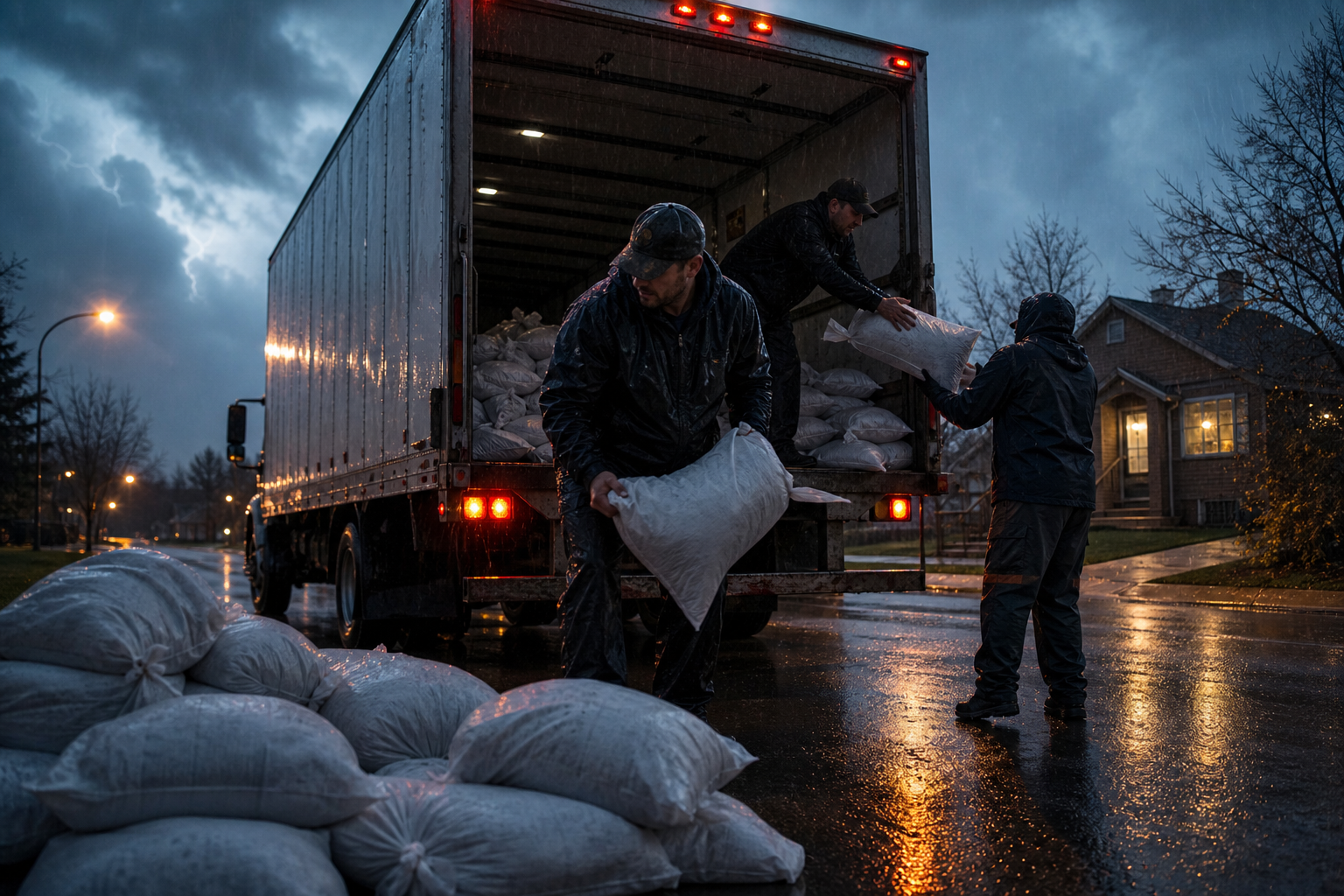
Emergency sandbag delivery works best when the order, drop location, and placement crew are decided before the truck arrives. Speed comes from clear logistics, not from carrying bags in a panic.
Make the call with useful information ready
When a severe-weather warning appears, start by defining the problem in one sentence: “Water enters at the south garage corner,” or “the rear basement stairs collect driveway runoff.” That statement helps determine a reasonable quantity and prevents ordering for every possible hazard. Have your address, phone number, accessible drop point, preferred arrival window, and a count of the openings ready. Mention gate widths, stairs, construction obstacles, or a steep driveway. If the forecast is worsening, order before local roads become congested and before you are busy moving valuables or caring for family members.
Edmonton Sandbags can be reached at 1-888-552-7263. SandBags.ca provides pre-filled 18 kg hessian bags at $4.99 per bag, with a minimum order of 10. Delivery is priced at $0.90 per kilometre, subject to a $10 minimum under 10 km. These are service facts to confirm during ordering, not assumptions to make while rain is already falling. For customers who can safely collect their order, 24/7 pickup is available at 4315 118 Ave NW, Edmonton, AB T5W 1A5.
Choose a drop zone that keeps work moving
The ideal delivery point is dry, level, visible from the street, and close enough to the threatened opening that bags do not need to cross flowing water. A clear section of driveway, carport edge, or open side yard is usually better than a garage that must stay available for a vehicle. Tell the driver about parked cars, low branches, and the safest approach. Move garbage bins, bicycles, trailers, and loose materials before the arrival window. Keep pets inside and ensure a responsible adult can receive the order.
Do not request a drop on a sidewalk, in a travel lane, over a septic or utility cover, or at the bottom of a slope. Each bag weighs about 18 kg, and a pile placed on the wrong side of a drainage line can become inaccessible when runoff starts. If the only suitable spot is farther away, organize a relay rather than accepting an unsafe location. The few minutes spent clearing the zone are cheaper than rehandling every bag later.
Assign jobs instead of forming a crowd
A small team works efficiently when each person has a distinct role. One person should inspect the barrier layout and call adjustments; two people can carry and place bags; another can manage plastic sheeting, doors, and communication. Use gloves and footwear with grip. Lift by squatting close to the load, hold the bag near the torso, and turn with your feet rather than twisting. Alternate tasks if fatigue appears. Children, anyone with a lifting limitation, and visitors can help from inside by bringing water, charging phones, or moving belongings rather than carrying loads.
- Layout lead: marks the barrier ends and verifies drainage direction.
- Carrier: moves bags one at a time along the shortest dry route.
- Setter: flattens bags, overlaps ends, and checks seams.
- Indoor lead: protects valuables and tracks weather alerts.
Keep vehicle keys, emergency contacts, and a clear exit accessible. A barrier should not trap a car or block the family’s only safe route from the building. If thunder begins, stop the exterior operation and move to shelter.
Build the first defensive line correctly
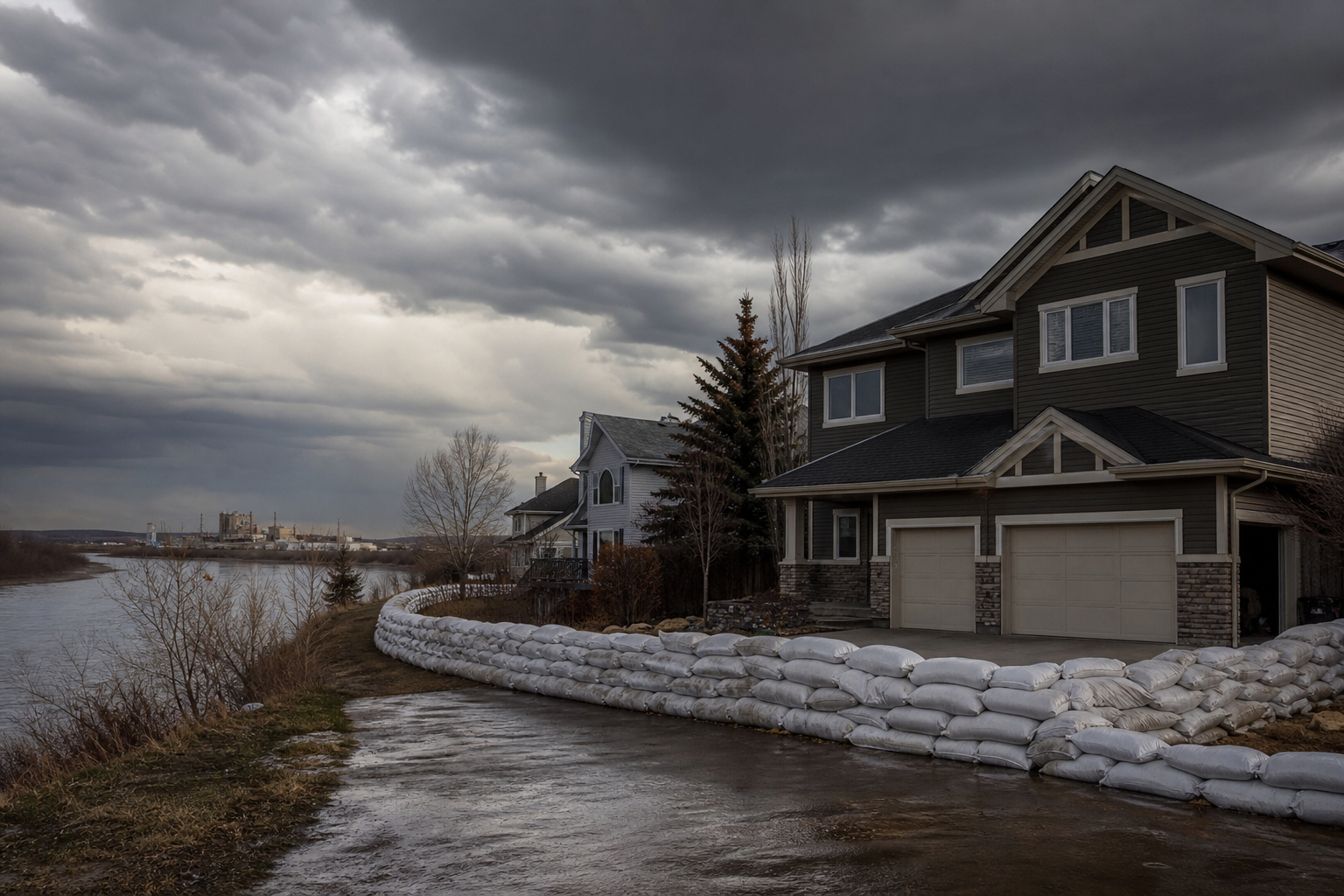
Start at the lowest point where water can cross a threshold. Put a plastic sheet against the opening if appropriate, spread its lower portion outward, and weight that flap with the first bags. Arrange bags so their long sides form a continuous course, then stagger the next course across the joints. Turn both ends uphill or back toward higher ground. This is a diversion line; leave a path for water to escape toward a safe part of the property. A narrow gap at an end can defeat a large stack in the middle.
Prioritize in this order: an occupied basement entrance, electrical or mechanical access, a garage that slopes inward, then secondary storage areas. Do not spend the first twenty bags protecting a garden bed while a stairwell is exposed. Once the critical opening is protected, use remaining stock to lengthen the wings or shield the next-lowest point. For detailed quantity examples, see the sizing article.
Document, monitor, and reset
Take a few photos before rain intensifies, including the placement route and the protected opening. They are useful for reviewing performance and may assist with records later. During the event, observe from indoors; do not repeatedly step outside to perfect the wall. Watch for water bypassing the ends, rising toward utilities, or entering through another opening. Follow official instructions if evacuation or road closures are announced.
After conditions improve, contact the supplier only if you need additional bags or a new delivery plan; safety and local emergency instructions come first. Dry and inspect usable hessian bags after clean-water exposure, and dispose of contaminated materials responsibly. A future order is far simpler if you record the quantity used and the best drop location. Use the online quote form during calmer weather to prepare a standing estimate. Emergency logistics become manageable when every bag has a destination before it arrives.
FAQ
What should I tell an emergency sandbag supplier?
Provide the delivery address, a safe drop location, the openings you need to protect, access constraints, and a reachable phone number.
How should bags be staged after delivery?
Put them on dry, level ground near the placement route but outside the area expected to flood.
Can I pick up bags any time?
Yes, Edmonton Sandbags offers 24/7 pickup from its Edmonton warehouse.